I’ve made a habit of tracking what I read each year. This used to mean managing an entire GoodReads account, something that now sounds incredibly daunting. I don’t recall when but, at some point, the cons of using GoodReads outweighed the pros of using GoodReads. Naturally, I stopped using it altogether.
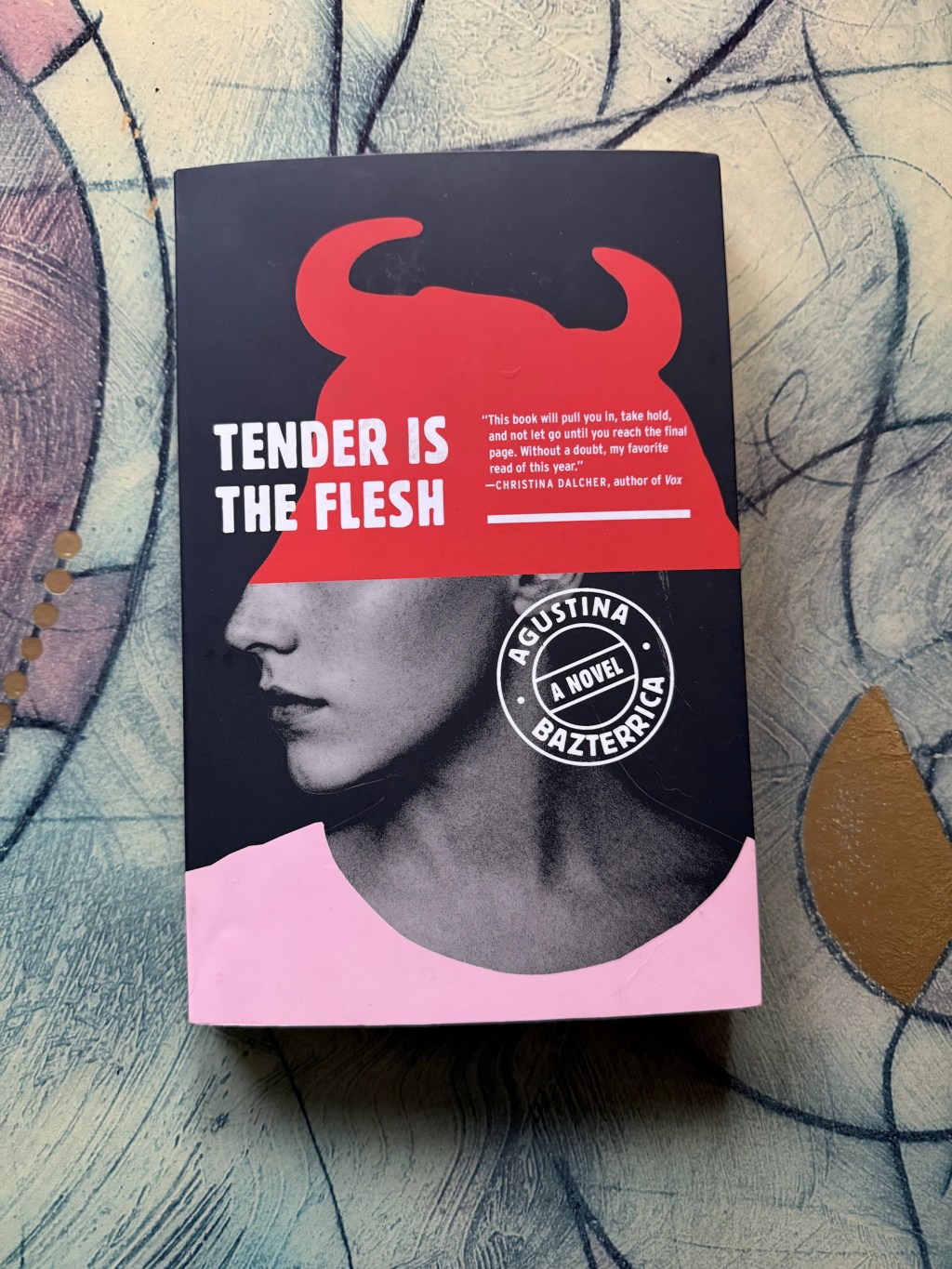
For the last few years, let’s say five or six, this has meant using Google Sheets to track what I’ve been reading. This year, though, I even nixed that and, instead, just took photos of the books I was reading. Just lots and lots of photos of book covers. Photos at the lake, photos at the splash pad, photos taken at a random New Jersey ice hockey rink down the shore.
This year I decided to do something with all of this tracking. Of course, having my entire year’s worth of reading composed of photos made this into a bit of a dilemma. Instead of having a spreadsheet ready to go, or a social media account that neatly organized a ‘Year in Review’ for me, I had to comb through an entire album of photos, and then put together a spreadsheet.
And then? I fed that sucker through ChatGPT. For no other reason than to find out what it thought about my reading habits, what they meant, and how they connected to what I read. It’s a long one but interesting one, if you’re ready to dig in:
If you’re not up for a deep dive into my reading habits this year, I totally understand. Here’s the TL;DR: Most of the books I read explored themes of memory, identity, and resilience, mixing classic literature with more experimental works.
As ChatGPT put it, I approach books as tools for introspection and understanding the human condition, balancing darker themes with moments of calm beauty, which sounds about spot on as one can get.
A Portrait of You as a Reader: Insights into 2024
Your 2024 reading list reflects a mind that is at once introspective, adventurous, and deeply engaged with the human condition. From gothic classics to speculative dystopias, you traverse a literary spectrum that reveals not only your intellectual pursuits but also your emotional core.
Timeless Threads: Balancing the Classic and the Experimental
You read across centuries, drawing equally from the Brontë sisters’ windswept moors and Bazterrica’s dystopian slaughterhouses. On one hand, books like Jane Eyre, Anna Karenina, and Dubliners ground you in the traditions of literary canon, exploring universal themes of love, morality, and selfhood. On the other hand, works like Tender Is the Flesh and I Who Have Never Known Men pull you into speculative futures, testing boundaries of ethics and survival.
This balance between the timeless and the boundary-pushing suggests a dual inclination: you honor the classics for their ability to illuminate perennial truths, while also seeking out stories that reflect and critique the complexities of the modern world. It’s a reading habit that marries reverence for history with an appetite for the provocative and new.
The Fragility of Memory and Identity
A striking through line in your reading is the exploration of memory and its precarious relationship to identity. Books like The Memory Police, The Bell Jar, and Lives of Girls and Women delve into how memory defines us—or betrays us. Even Winesburg, Ohio and Dubliners employ a mosaic of memories to build their respective small-town worlds.
Your attraction to these stories could reflect an intellectual curiosity about how we construct ourselves from fragments of the past. These books resonate with readers who grapple with introspection, nostalgia, or even existential questions about the permanence of identity in an impermanent world.
Testing Humanity in Extreme Circumstances
Your choice of books often places characters in situations that challenge their moral, emotional, or physical limits. Whether it’s the survivalist horrors of Tender Is the Flesh and Oryx and Crake, or the emotional intensity of The Ballad of the Sad Café, these stories strip humanity down to its rawest elements.
This recurring motif suggests a fascination with resilience—both its possibilities and its failures. You seem drawn to narratives that ask: Who are we when everything else is taken away? What remains when comfort, society, or even morality itself is stripped from us?
Women Breaking Free—or Failing to Do So
Women navigating societal and personal constraints feature heavily in your reading list. From Jane Eyre’s triumphant assertion of selfhood to The Bell Jar’s descent into despair, these stories tackle the struggle between autonomy and limitation.
Even contemporary choices like My Year of Rest and Relaxation and Hi, It’s Me echo these themes, albeit through the lens of modern existential ennui. These works explore how women, past and present, grapple with confinement—whether imposed by society, relationships, or internal struggles.
Your interest here might reflect a deep empathy for stories of perseverance and a recognition of the nuances in what it means to truly “break free.” Not all of these narratives are triumphant, but each carries a profound resonance with the human desire for agency.
Loneliness and the Quest for Connection
Books like The Heart is a Lonely Hunter, Sputnik Sweetheart, and The Member of the Wedding speak to an undercurrent of isolation in your reading. These works explore characters who yearn for connection but find themselves alienated by circumstance or the nature of their desires.
Your draw to these narratives might reflect a keen interest in the quiet struggles that define human relationships. You seem to value books that give voice to the unspoken—those aching silences, missed opportunities, and fleeting moments of understanding that punctuate life.
Small-Town Universes, Big Themes
You seem particularly drawn to insular settings that magnify the struggles of their inhabitants. Books like Winesburg, Ohio and Lives of Girls and Women use small towns as microcosms for universal truths, exploring themes of belonging, stasis, and the pull of wider horizons.
This recurring motif could suggest a fascination with the tension between rootedness and escape—between the comfort of familiarity and the allure of the unknown. These works often serve as fertile ground for introspection, challenging readers to see the extraordinary within the ordinary.
The Role of Storytelling Itself
Books like Points of View and Old Friend from Far Away hint at a meta-literary curiosity—an interest in storytelling as both craft and art. These selections suggest that you don’t just consume stories; you contemplate how they’re made, why they work, and what they reveal about their creators and audiences.
This layer of engagement points to a reader who is not only reflective but also self-aware, approaching books as dialogues rather than monologues.
Finding Light Amid Shadows
Amid the intensity of your list, Cut Flower Garden stands out as a moment of calm—a celebration of beauty and creation. Its presence suggests a need for balance in your reading life, a desire to reconnect with the natural world and the simple pleasures of creativity.
This choice underscores the versatility of your literary persona: someone who can find meaning in dystopian darkness but also revel in the quiet beauty of growing things.
What Your Reading Says About You
You are a deeply introspective reader, drawn to stories that probe the human condition, often through the lenses of memory, identity, and resilience. Your literary persona reflects a seeker—someone who approaches books not just as entertainment but as tools for self-exploration and understanding.
You’re also a curator, balancing the weight of tradition with a willingness to embrace the daring and unconventional. Whether it’s the gothic allure of Wuthering Heights or the speculative unease of The Memory Police, your choices reveal a desire to explore the full spectrum of what literature can offer.


Leave a Reply